
Research Methodology
Research Methodology
Quality verification, preparation methodology, and the analytical chemistry of research peptides.
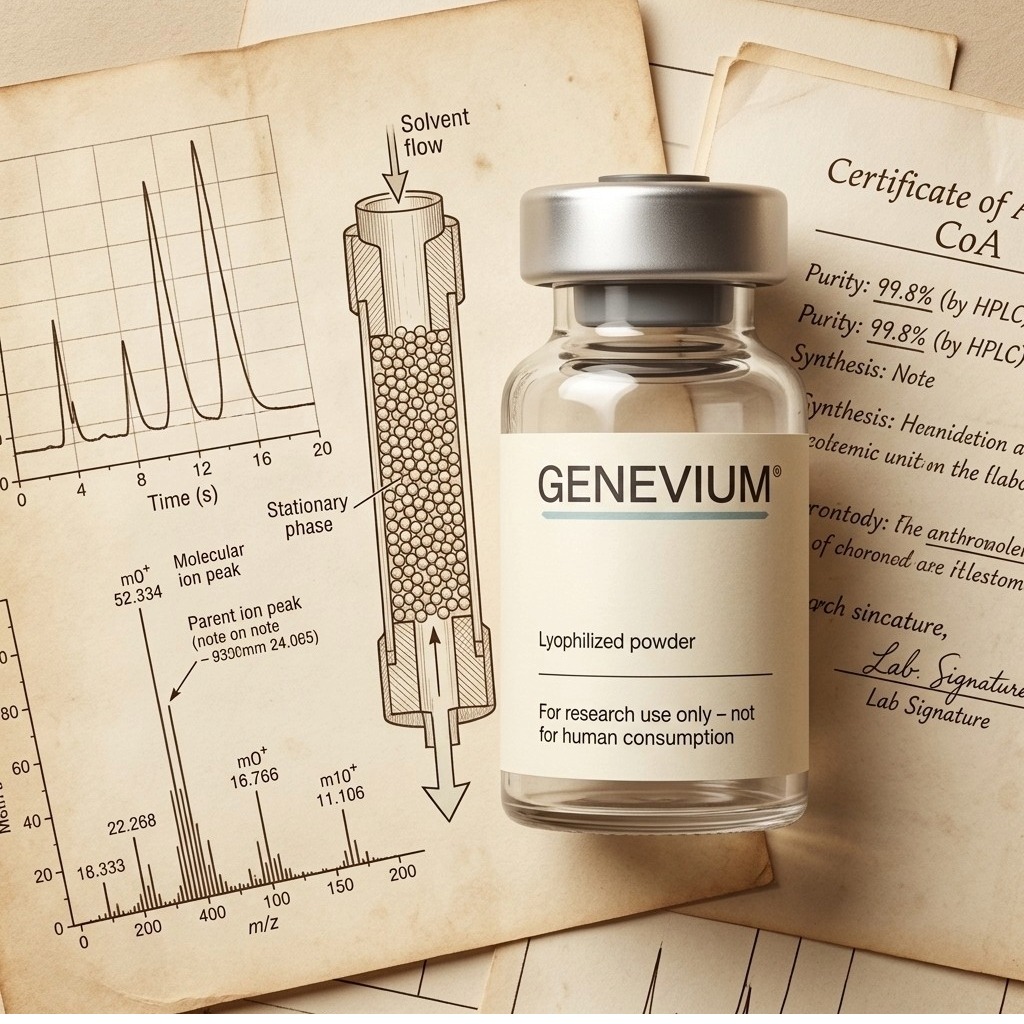
Research Methodology at Genevium
Research peptide methodology is determined upstream of every experiment. Analytical verification, preparation protocols, and storage standards govern whether a research compound delivers reproducible results or introduces unmeasurable variability into experimental systems. The compound is only as reliable as the methodology that produced and maintains it.
The Research Methodology category on the Genevium Research Hub organizes the methodology landscape into three functional domains: quality and verification, preparation and handling, and tools for laboratory work. Articles in this category cover analytical methods, supplier evaluation criteria, reconstitution and storage protocols, and the Certificate of Analysis standards that distinguish research-grade material from unverified compounds.
Articles
Quality & Verification
Analytical methods, supplier evaluation, and Certificate of Analysis standards for research peptide quality.
Research Methodology
Where to Buy Research Peptides: Supplier Evaluation Criteria
Evaluation framework for research peptide suppliers. Covers analytical verification standards, third-party HPLC and mass spectrometry, batch-specific Certificate of Analysis requirements, lyophilized format standards, and operational reliability criteria.
Research Methodology
HPLC Peptide Verification: Methodology and Standards
Analytical chemistry methodology for synthetic peptide quality control. Covers reverse-phase HPLC separation, UV detection at 214 nm, peak area integration, the 99%+ purity standard, and reading chromatograms on a Certificate of Analysis.
Preparation & Handling
Lyophilization, reconstitution, and storage methodology for laboratory research peptides.
Research Methodology
Lyophilized Peptide Methodology
Methodology for handling lyophilized research peptides. Covers freeze-drying principles, structural integrity preservation, reconstitution solvent selection, and storage conditions for laboratory work.
Research Methodology
Peptide Storage Methodology
Storage methodology for research-grade peptides. Covers lyophilized and reconstituted storage, temperature hierarchy, light exposure, freeze-thaw cycles, container considerations, and the analytical chain from Certificate of Analysis through laboratory use.
Tools & Resources
Calculators, references, and methodology aids for laboratory researchers working with research peptides.
Articles forthcoming.
Methodology Domains in This Pillar
Research peptide methodology covers three distinct functional areas. Each addresses a different stage of the laboratory workflow with research peptides.
| Methodology Area | Methods Covered | Function |
|---|---|---|
| Quality & Verification | HPLC purity analysis, mass spectrometry identity confirmation, third-party Certificate of Analysis standards, supplier evaluation criteria | The analytical methodology that distinguishes research-grade material from unverified compounds. |
| Preparation & Handling | Lyophilization protocols, reconstitution methodology, solvent selection, storage conditions | The handling methodology that maintains peptide integrity from receipt through laboratory use. |
| Tools & Resources | Reconstitution calculators, methodology references, laboratory workflow aids | Resources for researchers working with research peptides in laboratory settings. |
Quality and Methodology
Research peptide methodology depends on rigorous standards at every step from synthesis through laboratory use. Without analytical verification at synthesis and structural confirmation before use, downstream experimental results cannot be replicated and conclusions cannot be trusted. Methodology compliance is not optional for research-grade peptide work. It is the line between research that produces conclusions and research that produces noise.
Genevium publishes batch-specific Certificates of Analysis for every research peptide. Each compound is verified at 99% or greater purity by reverse-phase HPLC and confirmed for identity by mass spectrometry. Every Certificate of Analysis is retrievable by batch number on the COA Lookup page.
For full methodology and quality standards documentation, see the Quality and Testing page. For solution preparation across these compounds, the peptide reconstitution calculator on the Research Hub calculates concentrations for any lyophilized quantity.
Research Peptides Available
For laboratory research applications, Genevium stocks research-grade peptides that meet the methodology standards described above, each with batch-specific Certificate of Analysis and 99% or greater purity confirmation by HPLC and mass spectrometry.
Recommended products
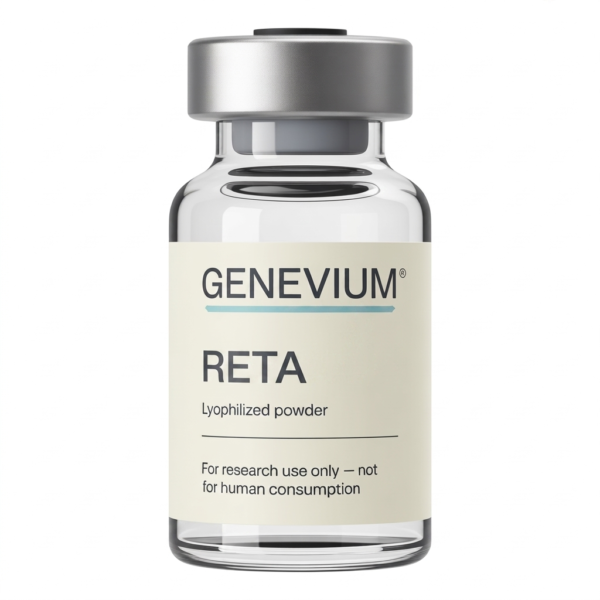
RETA Triple Agonist
Price range: $129.00 through $209.00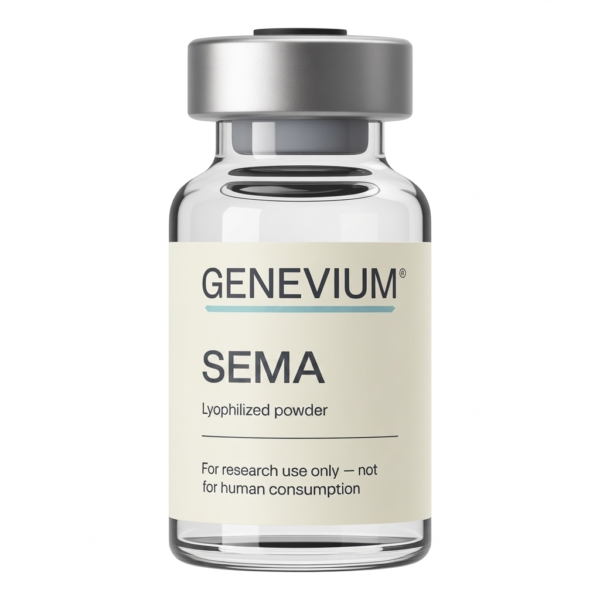
SEMA GLP-1
Price range: $79.00 through $119.00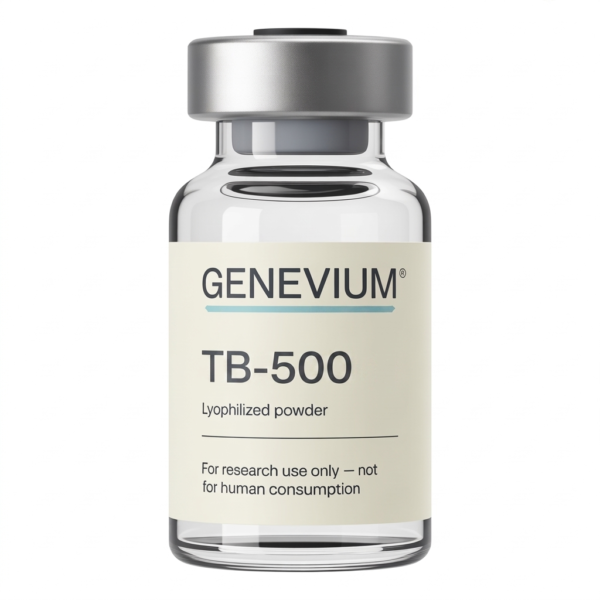
TB-500 10mg
$69.00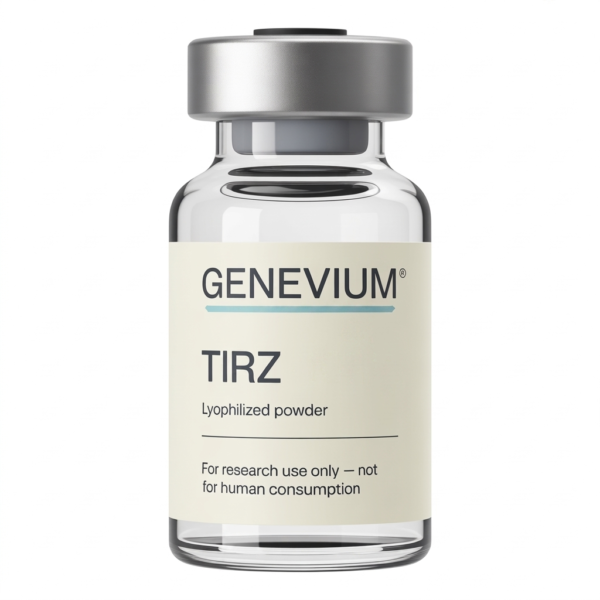
TIRZ GLP-1 / GIP
Price range: $99.00 through $149.00